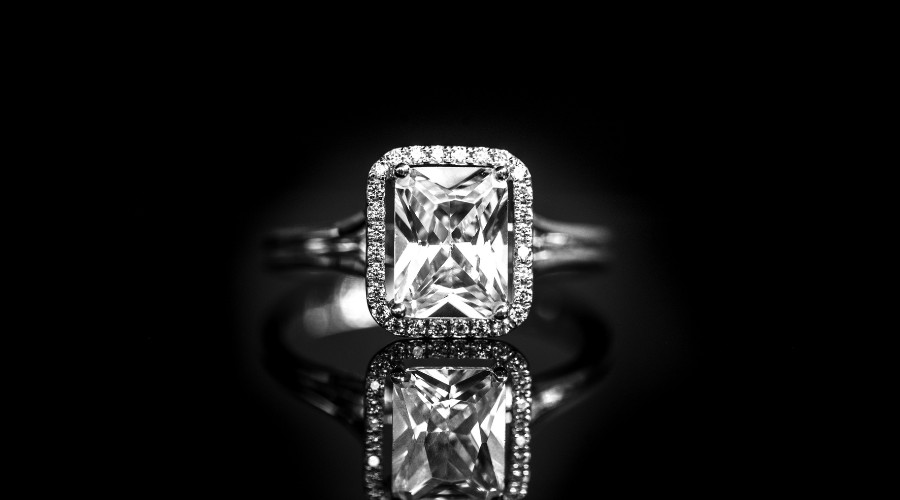
If you’re comparing stones for an engagement ring or a custom piece, it’s natural to have questions. Are lab-grown diamonds real? Is a natural diamond worth the difference in price? And which one will feel right years from now?
At DDS Diamonds, we work with both. The lab grown vs natural diamond decision is not about one being “better”; it’s about choosing the origin, price and story that suit you. Here’s a straightforward guide to what’s different, what isn’t, and what to ask before you buy.
What is a lab-grown diamond, and what is a natural diamond?
A natural diamond forms deep inside the Earth under intense heat and pressure over a very long time. It is brought closer to the surface by geological activity and recovered through mining.
A lab-grown diamond is made using technology that recreates the conditions needed for diamond crystals to form. Two common methods are HPHT, which uses high pressure and high temperature, and CVD, which grows the diamond in a chamber from carbon-rich gas. The finished stone is then cut and polished like a natural diamond.
Are lab grown diamonds real diamonds? Yes. Both have the same carbon crystal structure and are graded using diamond-quality characteristics. Lab-grown diamonds are not simulants. Cubic zirconia and moissanite, for example, are different materials that can look like diamond but do not have the same composition.
The difference is the origin story: one formed in nature; the other was grown in a controlled setting.

How do lab-grown and natural diamonds look and wear?
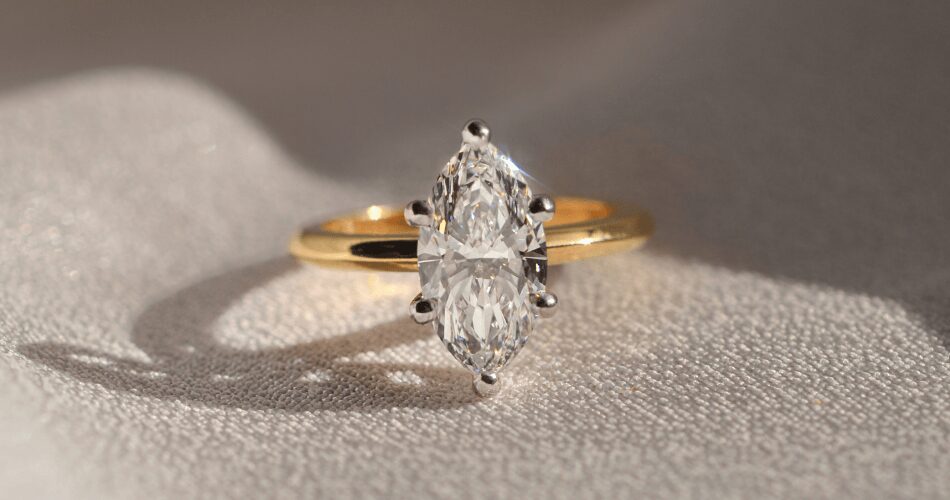
To the unaided eye, a lab-grown diamond and a natural diamond of comparable cut and quality can look the same. You can’t reliably identify how a diamond was formed just by looking at it; specialist gem-testing equipment can distinguish them.
Both are diamond, with the same hardness and everyday care needs. That said, hardness doesn’t mean indestructible: a diamond can still chip or be damaged by a hard knock, and its setting needs regular checks. Keep either type clean, take care during strenuous work and have the claws inspected periodically.
So when comparing lab grown vs natural diamond options, appearance and durability are not the main dividing lines. Origin, price, resale expectations and personal preference matter more.
Why is there a price difference?
Lab-grown diamonds typically cost a fraction of a comparable natural stone. They can be produced in a controlled process, and supply can respond as production changes. Natural diamonds are mined, and their availability is tied to geological deposits and the mining process. Market conditions also affect both.
That price difference can give you more flexibility: within the same budget, you may be able to choose a larger lab-grown stone, a higher grade, or put more towards the setting. The right comparison is between stones with similar shape, cut, colour, clarity and carat, not just their headline weight.
How much is a 1 carat diamond? There is no single price. As an indicative Australian range for a loose, round one-carat stone, recent retail guides put lab-grown examples around A$1,200–A$2,200 and natural examples around A$7,000–A$14,000. Actual quotes can fall outside those ranges: the 4Cs, shape, report, supplier and current market all matter. Prices move, so ask for a current quote and compare the full specifications.
The same is true when shopping for lab grown diamond engagement rings Australia-wide: compare the individual stones, report and finished ring, not just the advertised price.
Value and resale: the honest comparison
Natural diamonds generally have a more established second-hand market and may retain resale value differently to lab-grown stones. Lab-grown diamond resale markets are more limited, and changes in production and pricing can affect what buyers are willing to pay.
Neither type should be bought as an investment. A grading report can help identify and compare a stone, but it does not guarantee a resale price. Retail and resale values are different, and a future offer depends on the stone and the market at that time.
For an engagement ring you plan to keep and wear, ask yourself what matters most: the stone’s natural history, the design you’ll enjoy every day, or how much of your budget goes towards the diamond. A meaningful ring does not have to be chosen with resale in mind.
Ethics and sustainability: what to ask
There are different considerations for each origin, and broad claims such as “always sustainable” or “always ethical” don’t tell the whole story.
For a natural diamond, ask about its source and the documentation behind any conflict-free claim. DDS Diamonds offers certified conflict-free natural diamonds. The Kimberley Process is one part of the rough-diamond trade’s conflict controls, but a certificate or label is not a full account of every social and environmental impact.
For a lab-grown diamond, ask where and how it was produced, and what information the supplier can provide about traceability and energy use. Growing diamonds uses energy, and the impact depends on factors such as the production method, facility and electricity source. Lab-grown origin alone does not guarantee a particular environmental footprint.
A good jeweller should be willing to explain what is known, show relevant documents and be clear about what cannot be independently verified. The DDS direct diamond sales page explains how we approach stone information and selection.
Certification and the 4Cs: what should you check?
A grading report from an independent gem laboratory describes a diamond’s characteristics. It is useful when comparing stones, but it is not an insurance valuation or a promise of future resale value.
Check that the report identifies the stone as natural or laboratory-grown, and confirm the report number and listed details match the diamond you are considering. For lab-grown stones, ask whether the report identifies the growth method and any treatments.
GIA and IGI are two laboratories buyers may encounter. GIA introduced a revised quality assessment for lab-grown diamonds in 2025, so reports may not always present lab-grown stones in the same traditional 4Cs format. Ask the jeweller to explain the specific report in front of you.
The 4Cs (cut, colour, clarity and carat) remain useful when assessing a diamond. Cut affects how it handles light; colour and clarity describe other visible and graded characteristics; carat is weight, not a guarantee of how large a stone appears. Read our guide to the diamond 4Cs for a plain-language explanation.

Which diamond is right for you?
There’s no universal answer to lab grown vs natural diamond. Use this comparison as a starting point, then look at actual stones and reports.
| Consideration | Natural diamond | Lab-grown diamond |
|---|---|---|
| Origin | Formed in the Earth and mined | Grown in a controlled environment |
| Appearance | Can look the same as a comparable lab-grown stone | Can look the same as a comparable natural stone |
| Durability | Diamond; needs care and setting checks | Diamond; needs the same care and setting checks |
| Relative price | Usually higher for comparable specifications | Usually lower; can offer more size or grade for the budget |
| Resale | More established resale market, but no guaranteed return | More limited resale market; best chosen to wear and enjoy |
| Certification | Ask for a report identifying origin and the 4Cs | Ask for a report identifying lab-grown origin and stone details |
| May suit you if… | You value geological rarity, natural origin or traditional resale expectations | You want to prioritise size or grade within a set budget |
A natural stone may suit you if its geological history, rarity or traditional appeal is part of what makes the ring meaningful. A lab-grown stone may suit you if you’d rather direct more of your budget towards size, grade or the design.
If you’re planning an heirloom, think about the whole piece: the stone, setting, workmanship and the care it will need over time. And if a diamond isn’t what you picture, a coloured gemstone such as a sapphire or emerald can make a distinctive centre stone. The best choice is the one that feels personal and sits comfortably within your budget.

How we help you choose and create your piece
At DDS Diamonds, we start with a one-to-one conversation in our Burnside, Adelaide studio. We’ll listen to what matters to you, explain the differences and show you suitable stones with their certificates. You can ask to compare natural and lab-grown options side by side, without pressure to choose either one.
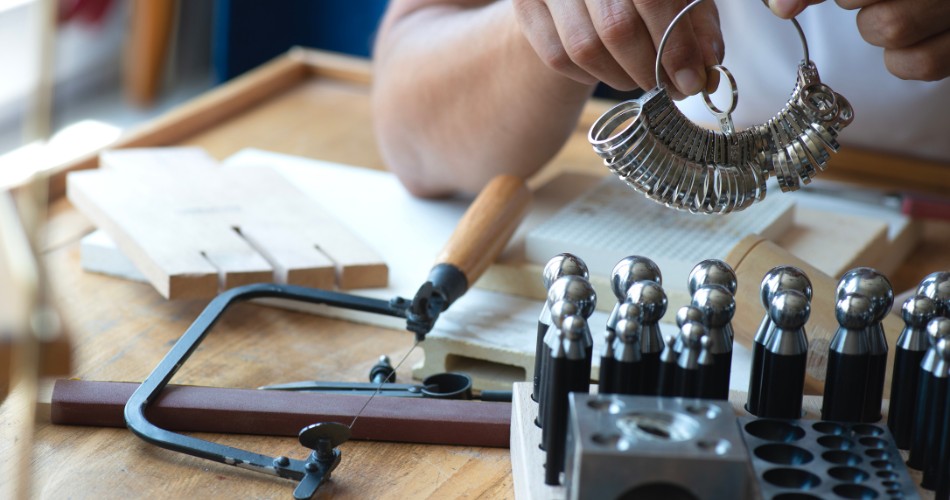
With more than 65 years of family-owned Swiss craftsmanship behind our work, we design and hand-draw every piece in-house. We can take your ideas through sketches and digital renderings, then handcraft the jewellery in our studio. Explore our Adelaide engagement rings for ideas, or bring inspiration of your own.
Our support continues after the piece is finished, with lifetime aftercare that includes cleaning, inspections, resizing and re-rhodium plating. If you’re ready to discuss your options, you can book an appointment at the Burnside studio.
Frequently asked questions
Are lab-grown diamonds real diamonds?
Yes. They have the same carbon crystal structure as natural diamonds. They are different from simulants such as cubic zirconia and moissanite.
Can you tell a lab-grown diamond from a natural diamond by looking at it?
Not reliably with the naked eye. A gem-testing laboratory can identify the origin using specialist equipment.
Are lab-grown diamonds as durable as natural diamonds?
Both are diamond and have the same hardness. Both need sensible care, cleaning and regular checks of their settings.
Do natural diamonds hold their value better?
Natural diamonds generally have a more established resale market, but resale prices are not guaranteed and are usually different from retail prices. Lab-grown diamonds may have a more limited resale market.
Should I choose a natural or lab-grown diamond for an engagement ring?
Choose based on what matters most to you: natural origin and rarity, or a lower stone price and more flexibility with size or grade. Compare certified stones and decide together what feels right.
If you’d like to compare stones and talk through a design, book a consultation at our Burnside studio or call DDS Diamonds on 08 8332 0707.