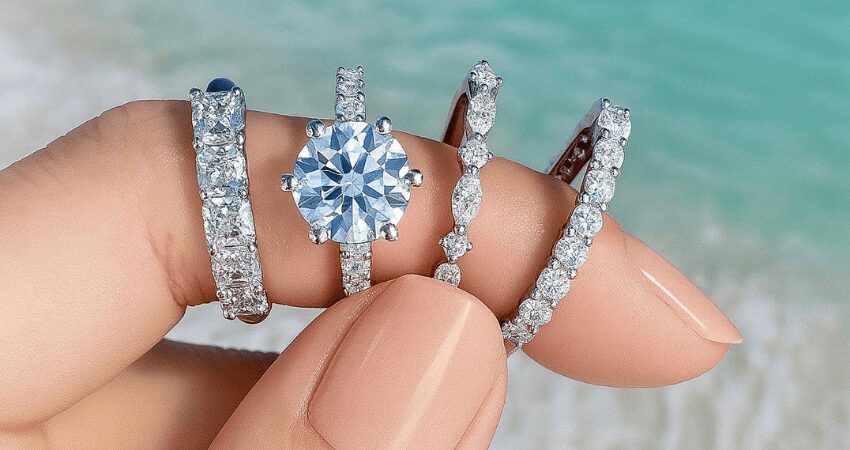
If you have ever felt weirdly guilty for not wanting a diamond, you are not alone.
A lot of people like the idea of an engagement ring, but not the idea that it has to follow one exact formula. The moment you start shopping, the messaging can feel loud: diamonds equal love, diamonds equal commitment, diamonds equal “real ring.” But if your taste leans toward something different, or your priorities are more practical, that narrative starts to feel more like pressure than romance.
A diamond-free engagement ring is not a compromise. In many cases, it is the first choice. It is a way of saying, “This ring is about us,” not “This ring is about what everyone expects.”
Why More Couples Are Choosing Diamond-Free Rings
Across engagement rings in australia, more couples are moving away from default decisions and toward designs that feel personal. The reasons are usually very real-life, not trend-based.
Some people want a ring that looks different from what their friends have. Some want a stone with colour and character. Others want to put more of their budget into craftsmanship, a better setting, or even their future plans together, instead of stretching for a diamond size that does not feel sensible.
Most importantly, diamond-free rings are becoming more common because they allow the ring to reflect the wearer. This is where unique engagement rings stop being a “style choice” and start being a values choice.
The Non-Diamond Stones That Actually Work for Daily Wear
The biggest fear people have is picking a stone that looks beautiful now but becomes fragile later. This is where selection matters.
If you are wearing your ring daily, you want a stone that can hold up to everyday knocks, hand washing, and life. Here are the stones that people tend to choose for beauty and practicality, with the context buyers actually need.
Sapphire
Sapphire is one of the strongest choices for everyday wear. It suits buyers who want colour, but still want durability. Blue is classic, but sapphires also come in softer tones that feel modern and personal. A sapphire ring also tends to hide minor marks better than stones with softer surfaces.
Ruby
Rubies have strong presence and feel bold without being flashy. They suit someone who likes statement jewellery but still wants a ring that feels refined. Rubies also hold up well for daily wear, which is why they are a common alternative for people who want colour but do not want to baby their ring.
Emerald
Emerald is beautiful, but it is not the best choice for someone rough with their hands. It can be worn daily, but you have to accept that it needs more care. People choose emerald when they love the depth and mood of the stone and are happy to treat the ring as a piece they protect, not something they forget is on their hand.
Moissanite
Moissanite is often chosen when someone wants strong brilliance and a larger look, without paying diamond pricing. It suits buyers who love sparkle and want a ring that photographs beautifully, but also want a smart value choice.
If you are unsure which stone fits you, the best test is lifestyle, not aesthetics. How often you use your hands, what your daily routine looks like, and whether you want low maintenance should guide the decision.
What Diamond-Free Rings Mean for Budget and Value
The budget conversation becomes a lot more flexible once the diamond is not the default. That does not automatically mean “cheaper,” because some gemstones can be expensive at high quality, but it does change how you can spend.
For many buyers, the engagement ring cost in Adelaide becomes easier to manage because they can prioritise what matters most instead of chasing a carat number. You can choose a larger centre stone in sapphire or moissanite and still keep the budget reasonable. Or you can keep the stone modest and invest in a heavier band, stronger setting, and refined finishing.
A practical way to budget for a diamond-free ring is to choose your priority first:
- If you want the ring to look substantial, choose a stone that faces up larger for its price.
- If you want the ring to last decades with minimal issues, put budget into metal choice and construction.
- If you want something personal and not mass-produced, allocate more budget to design and making.
That approach prevents regret because you are spending intentionally rather than reacting to what looks impressive in a display case.
How Design Choices Change When You Remove the Diamond Rule
Once you remove “it has to be a diamond” from the equation, you also remove a lot of design limitations. You are no longer choosing from a narrow slice of engagement ring styles that are built around the same centre-stone expectations.
This opens up more interesting decisions, like:
- Choosing a stone cut that reflects your personality, not just what is popular
- Using colour as the focal point and keeping the setting clean
- Designing a ring that matches how you actually live, not just how you want it to look in a photo
This is often where people start considering custom engagement rings because they realise the ring can be designed around the wearer instead of around a template.
When Custom Makes More Sense Than Buying Ready-Made
A ready-made ring can still be the right choice if you find one that feels exactly right. But diamond-free buyers often discover that pre-made options do not always get the balance right. The setting might be too delicate. The stone might not be well proportioned. The ring might look good on a screen but feel off in person.
That is why custom engagement rings in Adelaide can be a better route for non-diamond designs. It allows the jeweller to build the ring around the stone’s properties and the wearer’s lifestyle.
Custom also helps you solve the common “I want something different, but I don’t want it to look weird” problem. A good custom process keeps the ring personal while still feeling refined and wearable.
Why Craftsmanship Matters More With Alternative Stones
Different stones behave differently in a setting. Some need more protection. Some are more prone to chipping. Some should sit lower to reduce impact risk. This is not something you want to leave to guesswork.
That is where handmade engagement rings in Adelaide stand out, especially for diamond-free designs. A well-made ring does not just look good; it holds the stone securely, balances the proportions, and avoids weak points that lead to future repairs.
When craftsmanship is done properly, you feel it in the details:
The ring sits comfortably and does not spin constantly
- Prongs feel secure, not sharp or flimsy
- The setting is built to protect the stone without making it look bulky
- The finish holds up better with everyday wear
If you are choosing a softer gemstone, this part matters even more because the right setting can extend the life of the ring dramatically.
Choosing a Style You Will Still Love, Not Just a Style You Like Today
This is where buyers often get it wrong. They choose a design because it looks different, but they do not think about whether they will enjoy wearing it daily.
If you want your ring to stay part of your life, choose based on wearability and your habits.Think about what tends to bother you in jewellery.
Do you hate rings that catch on knits? Do you take rings off often and risk losing them? Do you work with your hands?
Your ideal ring design is the one that suits those realities. A diamond-free ring should feel like relief, not another thing you have to manage.
Getting Clarity Without Feeling Pressured
If you are shopping locally, an experienced engagement ring jeweller in Adelaide can help you avoid the common mistakes that happen with alternative stones, like choosing a stone that is too soft for your lifestyle or picking a setting that looks delicate but wears poorly.
If you are exploring options in engagement rings in adelaide and want something diamond-free, it helps to see stones in person, compare them under real lighting, and understand how different settings change durability and comfort.
Near the end of the process, DDS Diamond Design Studios can be a helpful next step if you want guidance without being pushed into a one-size-fits-all idea of what an engagement ring should be. The right ring is the one that fits the person wearing it, and that is easier to achieve when you have support through stone choice, design, and craftsmanship.
Frequently Asked Questions
Yes. An engagement ring is “real” because of what it represents, not because it contains a diamond. The diamond tradition is popular, but it is not a rule. If a sapphire, ruby, emerald, or moissanite reflects your partner’s style and your priorities more honestly, that is not a compromise. That is a more personal decision, and it usually feels better long-term because you chose it on purpose, not out of pressure.
If the ring will be worn daily, durability matters more than whatever looks good in one photo. Sapphire and ruby are usually the safest coloured gemstone choices for daily wear because they handle knocks and routine life well. Moissanite is also a strong option if you want a bright look and low maintenance. Emerald can still be worn daily, but it suits someone who is comfortable being more careful with their hands and understands it may need more upkeep over time.
Not automatically. Diamond-free rings often give you more flexibility, but the final cost depends on stone quality, size, the setting, and how the ring is made. Some gemstones can be expensive at high quality, and custom work can add value because it improves comfort, security, and finishing. The real benefit is that you can choose where your money goes. You can prioritise a larger centre stone, stronger construction, or more refined design without feeling forced into a carat number.
The biggest mistake is choosing a stone based on colour or “wow” without thinking about daily wear. A softer stone in an exposed setting can lead to chips, loose prongs, or ongoing repairs. Another common mistake is buying a ring that looks delicate online but feels impractical in real life, especially if the wearer uses their hands a lot. The third is not considering how the ring will sit with a future wedding band, because diamond-free designs sometimes need small adjustments in height and profile to stack comfortably.
Custom makes sense when you want a specific stone, a specific colour, or a design that actually matches the wearer’s lifestyle. Diamond-free buyers often find that ready-made rings either don’t get the proportions right or don’t protect the stone properly. Custom lets the jeweller build the setting around the stone’s shape and durability needs, while also adjusting details like band width, setting height, and overall comfort so it feels natural on the hand.
It comes down to smart structure, not heavy design. A well-designed setting uses the right height, the right prong style, and the right metal thickness to shield the stone where it needs protection. For softer stones, lower profiles and more protective edges often help, while still keeping the ring refined. The goal is that the ring feels secure and wearable, not delicate and stressful.
Look for someone who explains stone durability clearly, shows you options under real lighting, and talks about comfort and long-term wear before you commit. They should be able to explain how a setting will protect the stone, what resizing looks like later, and how the ring will sit with a wedding band. If you want guidance without pressure at the decision stage, DDS Diamond Design Studios is a natural next step because you can compare stones properly, talk through lifestyle factors, and build a ring that feels like it was made for the person wearing it.